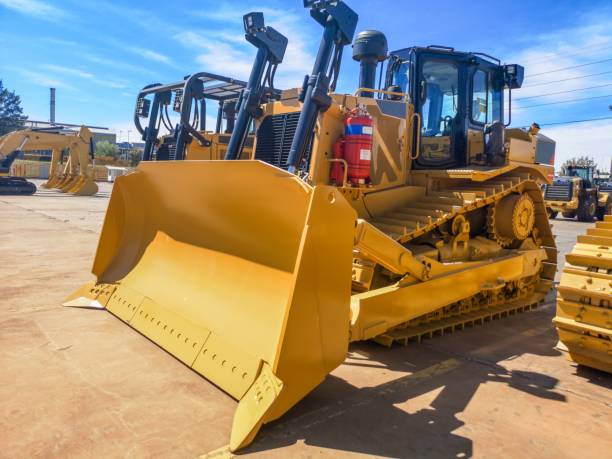
Quick Answer: Used dozers for sale vary enormously in remaining service life, even within the same model year, because undercarriage wear and engine hours rarely tell the same story. The smartest buyers inspect track tension, final drives, and blade wear before comparing price tags.
A bulldozer doesn’t fail gracefully. When the undercarriage goes, it goes all at once, and the repair bill can rival a third of what the machine cost to buy. That’s the risk hiding behind every cheap listing in the used dozers for sale category, and it’s why price per hour matters far less than condition per dollar.
Undercarriage Wear Is the Number That Matters Most
On a Caterpillar D6, a John Deere 750, or a Komatsu D65, the undercarriage typically represents 40 to 50 percent of total machine value once it’s been in service a few years. Track shoes, rollers, idlers, and sprockets wear unevenly depending on how the previous owner worked the machine. Heavy grading on rocky terrain chews through undercarriage components far faster than finish grading on softer soil.
Ask for an undercarriage wear measurement, expressed as a percentage remaining. A dozer at 80 percent undercarriage life with 3,000 hours is often a better buy than a machine at 40 percent undercarriage life with only 2,000 hours, even though the second machine looks newer on paper.
Blade Type Changes What the Machine Is Good for
Straight blades, semi-U blades, and U-blades each suit different work. A straight blade handles fine grading and road work well. A U-blade moves more material per pass and works better for land clearing and large volume push jobs. Buying the wrong blade configuration for your typical job means paying for capability you’ll never use, or worse, lacking capability you actually need.
Six way blades add hydraulic tilt and angle control, which costs more upfront but saves time on grading work where precision matters. Decide what your crew actually does most before falling for a feature you won’t use twice a year.
Engine and Hydrostatic System Checks
Start the engine cold if at all possible. A dozer that struggles to turn over or smokes heavily on cold start often has internal wear that won’t show up during a warm test run. Listen for knocking, check exhaust color, and verify the hydraulic system builds pressure quickly once the engine reaches operating temperature.
Final drives deserve special attention. A leaking final drive seal isn’t always a deal breaker, but it does mean budgeting for a repair, and that repair on a dozer this size can run into several thousand dollars depending on the model.
A reliable construction equipment supplier will let you run the dozer through a full range of motion, blade up and down, tilt left and right, before you commit to anything.
Pricing Used Dozers Realistically
Expect 35 to 55 percent of new retail for a dozer with 4,000 to 6,000 hours and solid undercarriage condition. Machines under 2,500 hours from documented fleet maintenance programs often sell closer to 60 to 70 percent of new price, and that premium typically pays for itself in avoided downtime.
PCI Heavy Equipment maintains a rotating inventory of used dozers for sale with documented undercarriage measurements, which removes a lot of the guesswork that trips up first time buyers in this category.
Title and Lien Verification
Heavy equipment titles work differently than vehicle titles in many states, and liens against equipment aren’t always obvious from a casual inspection. Before wiring any money, request a UCC lien search on the machine’s serial number. This step takes a day and costs very little compared to discovering after purchase that a bank has a claim on equipment you thought you owned outright.
Transport Considerations
Dozers are heavy, wide, and expensive to move. Factor transport costs into your total purchase price before comparing listings from different regions. A dozer priced a few thousand dollars cheaper three states away might end up costing more once flatbed transport and permits are added in.
Frequently Asked Questions
Q: What undercarriage percentage should I look for in a used dozer?
A: Aim for 50 percent or higher remaining life unless the price reflects the wear. Below 30 percent, budget for undercarriage replacement within the first year of ownership.
Q: How many hours can a dozer realistically run before major overhaul?
A: With proper maintenance, many dozers run 10,000 to 12,000 hours before needing a major engine or hydraulic overhaul, though undercarriage components wear out much sooner.
Q: Is a six way blade worth the extra cost?
A: It depends on your work. Grading and finish work benefit significantly. Straight push jobs and land clearing rarely need that level of control.
Q: Should I buy a dozer at auction or from a supplier?
A: Auctions can offer lower prices, but suppliers typically provide inspection reports and warranty options that reduce the risk of an expensive surprise.
Q: How do I verify a dozer has no liens against it?
A: Request a UCC search using the equipment serial number through your state’s filing system, or ask the seller for a lien free title guarantee in writing.
Choosing among used dozers for sale comes down to one habit: inspect the undercarriage before you fall for the price. Everything else on the machine is easier and cheaper to fix.
