Drive past a new neighborhood and you’d think it just appeared one spring. It didn’t. Long before the crews showed up, somebody spent weeks on the ground checking the soil, figuring out where rainwater would go, and making sure the streets would meet city standards. That’s the unglamorous side of engineering services, and honestly, it’s where most projects are won or lost.
Here’s the thing, though. A lot of people sign with an engineering firm and only later realize they never asked what was included. So let’s go through what you’re actually getting, where projects tend to hit trouble, and how to pick a team you’ll be happy with a year from now.
What Do Engineering Services Actually Cover?
Engineering services is one of those terms that can mean almost anything. Sometimes it’s a single structural calculation. Other times it’s the full design for a development built in phases over several years. For land projects, the work usually lands in one of these buckets:
- Residential land development. Think subdivisions: how the lots are laid out, where the streets go, how utilities and grading fit in.
- Commercial and industrial land development. Same idea, just bigger, and with tougher requirements to meet.
- Municipal engineering. Work done for cities and public agencies, mostly infrastructure.
- Structural engineering. Designing new buildings, and also looking over existing ones to see how they’re holding up.
- Surveying. Property lines, elevations, and pinning down exactly where everything sits on the ground.
Here’s the catch. None of these live on their own island. Change the grading and the drainage changes. Change the drainage and the road might have to move. Move the road and suddenly you’re one lot short. That’s why it helps when one team keeps an eye on several of these at once.
Why Professional Engineering Services Matter
There’s a reason most cities and counties want plans stamped by a licensed engineer. To become a professional engineer (PE), a person has to meet their state’s education and experience rules, then put their own name and seal on what they produce. If the design has a flaw, that’s on them, which tends to make people careful.
Okay, but what does that do for you day to day?
- You catch mistakes early. A drainage problem on paper is an afternoon of redrawing. After the concrete’s poured, it can turn into weeks of headaches.
- Approvals go easier. Reviewers send back anything that misses their standards, and each round of comments eats more of your schedule.
- Your budget holds up better. If a design can be built the way it’s drawn, you’re less likely to get hit with change orders halfway through.
That last one matters a lot when a construction loan is charging you interest every single day.
Where Projects Usually Go Wrong
Ask a few developers about their worst engineering experience and you’ll hear the same stories:
- Silence after signing. The retainer gets paid, then weeks go by with no update.
- Surprise invoices. Hourly billing starts small and ends up double the estimate.
- Plans that cost too much to build. Over-designed drawings lead to rework in the field.
- Repeated plan check rejections. Small errors that could’ve been caught internally keep bouncing back.
None of these are technical failures. They’re process failures, and you can avoid most of them by asking the right questions up front.
How to Choose the Right Engineering Partner
- Who will actually work on my project? Ask for a named contact.
- How do you bill? Fixed fees give you a known cost from day one.
- How often will I hear from you? Weekly updates are a good sign.
- Do you review plans before submitting them?
- Have you worked with my city or county before?
- Can you show me similar projects?
How Atlas Engineering Handles It
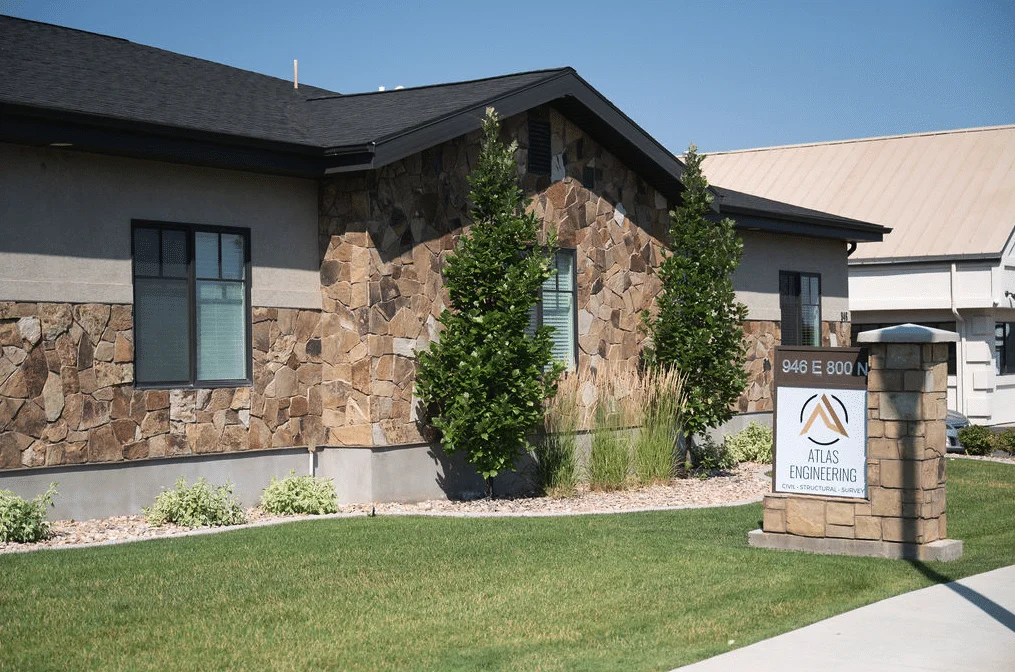
Atlas Engineering, based in Spanish Fork, Utah, is one firm built around those questions. They serve clients across Utah and Idaho and have been at it for more than 20 years. Their leadership includes two licensed PEs with 64 combined years of design experience, and every project gets principal oversight plus an experienced project manager.
In practice, that means a dedicated project engineer, a written update every week, and a reply to calls and emails within one business day. Pricing comes as fixed-fee plan packages, so you know the cost before work starts. Every submittal gets an internal review before it reaches the city, and plans are checked for constructability, which just means asking whether it can really be built as drawn.
They’ve also worked with agencies from St. George to Smithfield, so local standards aren’t new to them. You can see the areas they serve and browse their project case studies to judge the work yourself.
Final Thoughts
Engineering isn’t the flashy part of a project, but everything else depends on it. The quality of your engineering services will shape your schedule, your budget, and how smoothly approvals go. So ask direct questions, look at past work, and pick a team that communicates well.
Frequently Asked Questions
How long does an engineering project take?
It depends on size and complexity. Most run anywhere from a few weeks to several months, and a good firm will give you a schedule during planning.
How do I start a project with an engineering firm?
Usually you reach out, set up a consultation, and the firm reviews your requirements. Then you get a proposal tailored to the job. With Atlas, you can contact the team to get that started.
What’s the difference between engineering services and professional engineering services?
Mostly it’s about accountability. “Professional” generally means licensed engineers are overseeing and signing off on the work.
Can an engineering firm inspect an existing building?
Some can. Atlas offers structural inspections to assess the safety and integrity of existing buildings.
Which areas does Atlas Engineering serve?
Mainly Utah and Idaho, though they’re open to talking about projects in nearby areas.
Is there support after the project is finished?
Yes. Atlas provides ongoing help such as maintenance advice, inspections, and other post-project needs.
